Quick answer: SEER2 compares rated seasonal cooling output with electricity input under a standardized test. A higher number means greater rated cooling efficiency, not a larger system or a guaranteed reduction in your whole electricity bill. Compare exact matched equipment and installation scope before deciding whether an efficiency upgrade is worth its extra price.
Start with the HVAC replacement budget calculator for broad project scenarios. Its efficiency-tier setting is a cost assumption, not a SEER2-to-savings converter. The method below helps you audit actual proposals without treating a budget multiplier as an energy forecast.
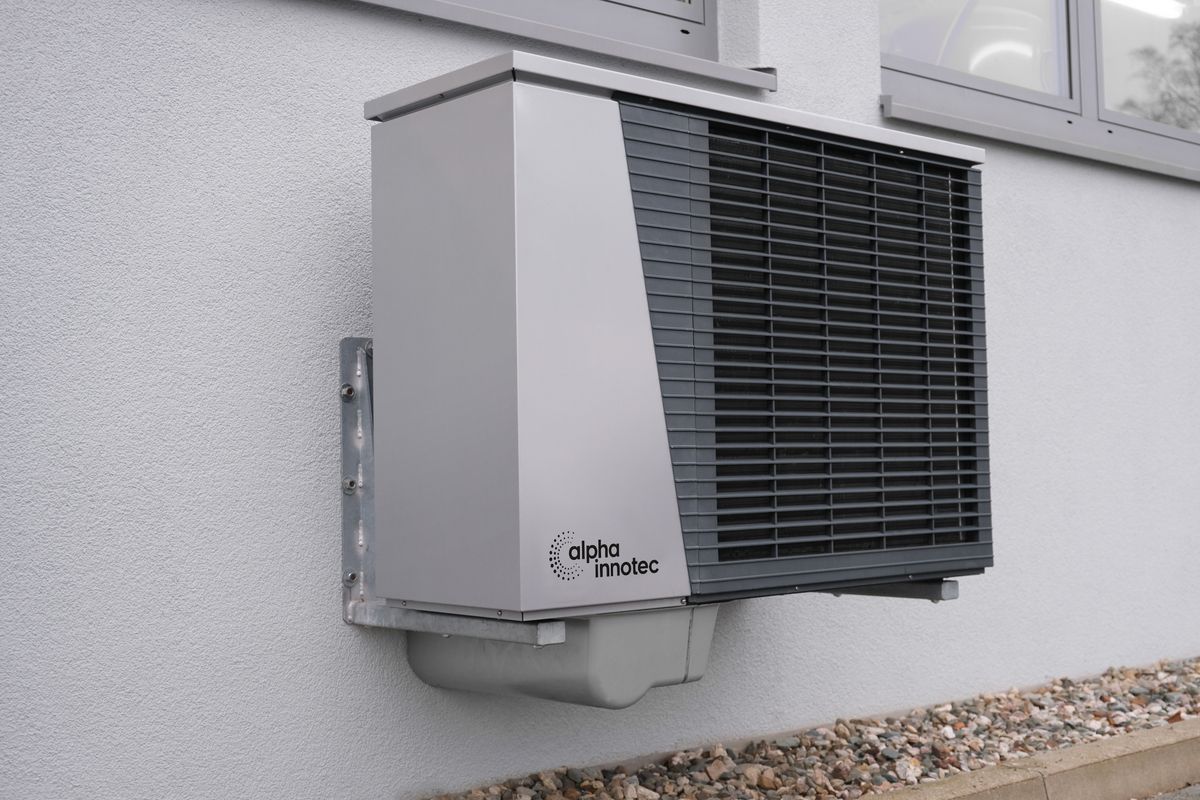
Read the number with its units and test basis
SEER2 stands for Seasonal Energy Efficiency Ratio 2. It relates seasonal cooling delivered in British thermal units to electrical energy consumed in watt-hours. It is a laboratory comparison metric. It does not state the cooling capacity in Btu per hour, and it does not state how many hours your equipment will run.
The updated test basis is different from older SEER ratings. Do not subtract an old SEER number from a new SEER2 number and call the result a savings percentage. Ask the contractor to identify the rating basis on both proposals. If the existing unit has an older label, use an appropriate energy model or measured cooling-use assessment rather than assuming a universal conversion factor.
Compare a matched system, not an “up to” cabinet claim
For a split system, request the outdoor model, indoor coil or air-handler model, and the applicable AHRI Certified Reference Number. Where the match depends on a furnace or blower configuration, record that too. The system scheduled for installation must match the combination whose rating is being quoted. A brand brochure's highest available rating is not evidence that every combination reaches it.
Keep the certificate or rating record with the dated proposal. Ask the installer to resolve missing or inconsistent model numbers before comparing upgrade premiums. If equipment is substituted later, request the revised match and scope in writing. This is a document check, not a homeowner instruction to open refrigerant or electrical equipment.
Worked comparison: 14 versus 16 SEER2
Use the following only as a simplified, equal-cooling-output scenario between two hypothetical systems rated on the same basis. It is not a simulation of a particular home. Assume System A is rated 14 SEER2 and System B is rated 16 SEER2. Hold cooling delivered, operating conditions and all other modeled factors constant.
Reduction relative to A: 1 − 0.875 = 12.5%.
The rating rises by 2 ÷ 14 = 14.29%, but the modeled energy reduction is 12.5%, because energy input is inversely related to efficiency for the same output. These percentages use different denominators. Neither percentage should be applied automatically to the home's total utility bill.
For arithmetic only, assume A would use 3,600 kWh per year for the cooling scope being compared. Then B would use 3,600 × 0.875 = 3,150 kWh, a difference of 450 kWh. At an invented variable electricity charge of $0.18/kWh, A costs $648 and B costs $567 for that scope: an illustrative $81 annual difference.
Do not substitute the house's total annual kWh for the cooling-only assumption. Appliances, water heating, lighting, fixed service charges and other loads do not disappear when cooling efficiency changes. Time-of-use pricing, demand charges where applicable and changes in behavior can also make a flat-rate model inadequate.
Test the upgrade premium against a range
Suppose the complete, scope-matched B proposal costs an illustrative $1,200 more than A. Simple cooling-energy payback is $1,200 ÷ $81 = 14.81 years. This is not a forecast of equipment life, a recommendation or a complete ownership-cost analysis. It excludes financing, future tariffs, different maintenance costs, repairs and the time value of money.
| Hypothetical variable rate | 450 kWh modeled difference | $1,200 premium ÷ annual difference |
|---|---|---|
| $0.12/kWh | $54/year | 22.22 years |
| $0.18/kWh | $81/year | 14.81 years |
| $0.30/kWh | $135/year | 8.89 years |
These rates, usage and prices are deliberately hypothetical, not U.S. averages or local quotes. A lower cooling load makes the dollar difference smaller even when the rating ratio stays the same. If a proposal claims much faster payback, request its cooling-load, tariff and runtime assumptions instead of comparing only the advertised percentage.
Separate efficiency from sizing, heating and installation
A capacity decision needs the building's heating and cooling loads. Floor area and SEER2 alone cannot select tonnage. The heat-pump sizing guide explains the different role of load calculations. Oversizing, airflow limitations and poor duct performance are not corrected merely by buying a higher nominal efficiency tier.
For heat pumps, compare heating performance separately: HSPF2, low-temperature capacity and the backup-heat plan appropriate to the climate. SEER2 describes cooling performance, so the cooling-only $81 example cannot establish annual heating savings. When replacing an AC plus a furnace with a heat pump, use the heat pump versus central air scope comparison to identify the systems and fuel costs that actually change.
Installation quality remains a separate question. Ask what sizing, duct evaluation, airflow and refrigerant-charge checks will be documented at startup, consistent with the equipment instructions. Controls, condensate management, electrical work and access must also be included or excluded explicitly. A certified product rating is not a certification of your completed installation.
Make the two proposals comparable before choosing
- Record exact matched model numbers, the certificate reference and the rating basis.
- Confirm that each proposal meets the same comfort and load requirements.
- List duct, electrical, refrigerant-line, control, permit and removal scope separately.
- Calculate the upgrade premium only after matching known scope and exclusions.
- Keep cooling-energy assumptions separate from heating, maintenance and owner reserves.
The matched heat-pump quote example shows how excluded work changes a project total. Save the rating records and your low, working and high assumptions in the free home-project planning workbook. Revisit them when a contractor changes a model or scope, rather than repeatedly adjusting the budget from a brochure rating.
Applicable equipment requirements depend on system type, region, installation circumstances and current rules. Have the installer and local authority confirm them for the actual property. This guide does not determine code compliance, rebate eligibility or a tax benefit from SEER2 alone.
Sources and limits
- ENERGY STAR efficiency-metric definitions: SEER2, EER2 and HSPF2 terminology; no tax-eligibility claim is made here.
- AHRI Directory of Certified Product Performance: product-rating verification.
- AHRI matched-system lookup guidance: reference and exact indoor/outdoor models.
- DOE installation-quality workshop: sizing, ducts, airflow and refrigerant-charge checks as distinct installation concerns.
Sources reviewed October 27, 2026. The ratio method, rate sensitivity and dollar examples are transparent planning arithmetic developed for this guide. The sources do not validate the hypothetical usage, prices or savings for a particular home.
Frequently asked questions
Does 16 SEER2 mean 16% efficiency?
No. SEER2 is a seasonal cooling-output-to-electricity-input ratio, expressed in Btu per watt-hour under a defined test. It is not a percentage and does not specify system capacity.
Does going from 14 to 16 SEER2 cut my whole bill by 12.5%?
No. The 12.5% figure is a simplified equal-output cooling-energy comparison: 1 minus 14 divided by 16. Actual cooling use and the rest of the utility bill require separate assumptions.
Can I compare SEER directly with SEER2?
Do not treat the two test bases as identical. Confirm the rating procedure and use an appropriate model or measured cooling assessment for an older system rather than assuming a universal conversion.
What should I request to verify a split-system rating?
Request exact indoor and outdoor model numbers and the applicable AHRI Certified Reference Number. Record any furnace or blower configuration required by the match and confirm substitutions in writing.